

Ariadne by Jennifer Saint retells the myth of the Cretan princess who helped Theseus vanquish the Minotaur beneath the palace of Knossos. I was not super familiar with this Greek myth aside from the Minotaur and Theseus, so I went into this book with no expectations. The Minotaur is actually the half-brother of Ariadne – the product of her mother and a bull. Rather than succumb to the shame of such a union, King Minos (Ariadne’s father) keeps the Minotaur beneath the palace in a labyrinth constructed by the renowned inventor Daedalus. Each year, fourteen “tributes” are brought from the enemy city of Athens to be sacrificed to the Minotaur. This yearly tradition breaks when Theseus, prince of Athens, resolves to destroy the Minotaur and free his fellow Athenians.
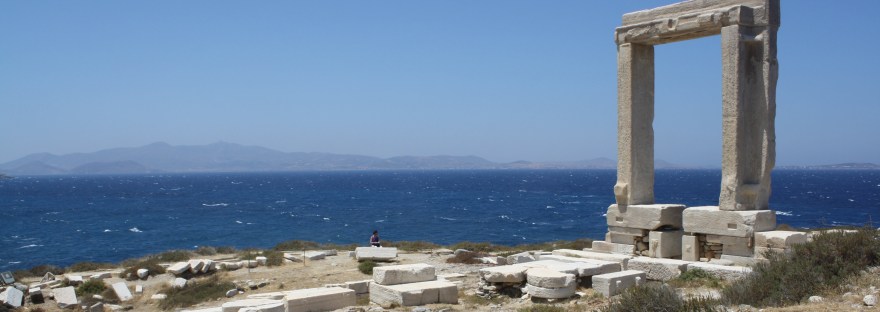
Princess Ariadne is taken with the handsome, courageous Theseus and conspires to free and help him. He defeats the Minotaur, and he, Ariadne, and the rest of the Athenians flee. But they do not go to Athens. Instead, they sail to the island of Naxos where Theseus eventually abandons Ariadne.
She has lost all hope in her abandonment on an presumed lifeless island until she discovers it is the home of the God Dionysus. He is her new hope and life, giving her an existence filled with child-rearing and tending the his island sanctuary. But there is something sinister beneath the surface, as there is with all men as Ariadne finds.
Ariadne reminded me of The Shadow of Perseus by Claire Heywood (and I’m sure the myriad other Greek myth retellings that are popular now) in that behind every name of legend is nothing but a man who will stop at nothing to inflate his ego and renown. A man who cares only of his image, letting everything and everyone (often the women in his life) fall to ruin. While Ariadne straddles a place between legend and historical fiction, the latter is telling in the age old experiences of women living at the insidious, often chilling whims of men.
I found Ariadne to be a bit of a slow burn at first in retelling the original myth, and I did not find myself getting invested until about half way through the book. I wanted to know more about what Dionysus was actually up to given the hints and allusions here and there about his exploits and his followers, as well as how he truly felt about Ariadne. I didn’t always relate with Ariadne, but had to remind myself to view her within the social context in which she had been raised which was to marry and have children.
 Home
Home 