


The Wandering Queen by Claire Heywood aligns with the author’s previous works of ancient world legends re-framed from the woman’s, or women’s, perspective. Heywood’s latest book follows Queen Dido, once known as Elissa in her native Tyre, as she founds Carthage and provides refuge to Trojan warrior, Prince Aeneas. Blending versions of Dido from the Aeneid and other sources, Heywood crafts a new take on this queen’s tragic tale.
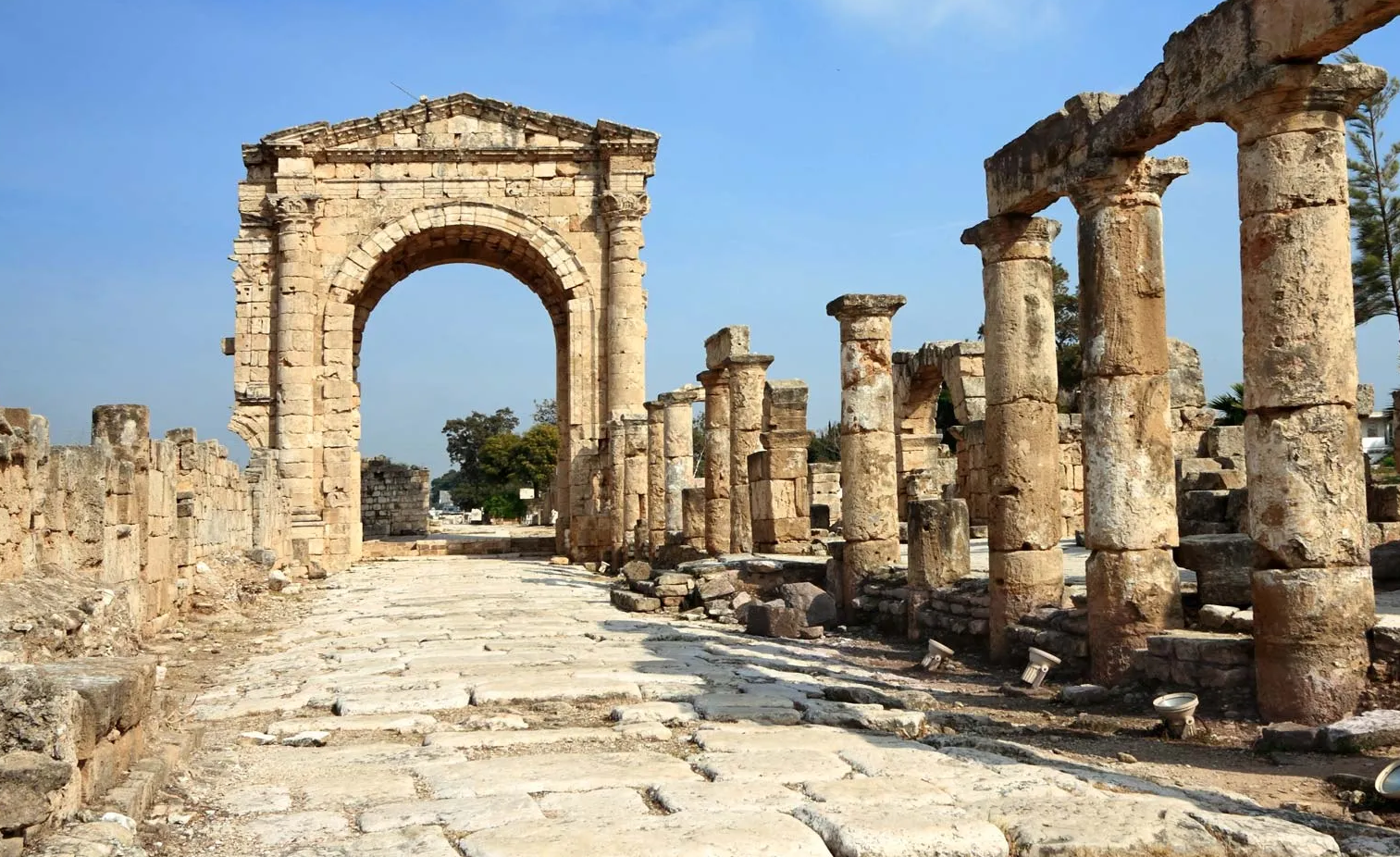
When Elissa/Dido’s father, King Mattan of Tyre, dies suddenly, his final wishes of having Elissa rule alongside her younger brother Pygmalion are ignored by scheming nobles. While her inexperienced young brother is easily manipulated by the scheming council, Elissa is slowly but surely pushed out of the palace. Ensuring she does not get married off to the highest bidder, so to speak, Elissa takes matters into her own hands and proposes marriage to the head priest of Melqart, Zakarbaal. The couple helps the people of Tyre, their needs now largely ignored by their king, through the temple’s resources. Their rise of social favor is cut short, however, when the king and his plotting council take drastic measures. Alone and scared, Elissa flees Tyre with a group of citizens loyal to her.
Enter the “wandering queen”, whose ship sails about the Mediterranean until they settle upon land that will become Carthage (present day Tunisia.) The local people begin calling her “Dido” (meaning the wandering queen,) and Dido uses, in my opinion, underhanded methods to obtain the large swath of land from a people who believe land cannot be bought, sold, or traded. Dido shows her underlying streak of pride and selfishness with such actions, making her unlikable to the reader.
Some ten years later, enter Prince Aeneas and his band of warriors fleeing the sacking of Troy. Dido and Aeneas form a fast connection, and Dido’s vow to remain unmarried soon gets thrown out. Dido only ever seems to have a loose grasp on Aeneas and his love, as his ultimate goal is to return home to secure the Trojan kingdom once more for his son. Dido and Aeneas basically trauma bond over similar histories, which in the end does not prove healthy. Both Dido and Aeneas are deeply flawed people who are perhaps incapable of true, self-sacrificing love because each of them values the power of their office too much. As such, neither are wholly likeable to the reader, but Heywood paints their actions as understandable from their unique points of view.
While the original tales seal a tragic ending for Dido, the author once more allows the Queen to take her fate into her own hands, bolstered and supported by her closest women friends, to shape a new future. While I appreciate the re-tellings of ancient damsel legends, I didn’t find The Wandering Queen to be terribly different in subject matter and themes from the author’s previous works. The ride is entertaining and well crafted, but overall I found it to be more of the same. However, I understand this subject matter is the author’s niche so readers craving similar themes will enjoy TWQ.
The Wandering Queen will be released February 10, 2026
 Home
Home 